
Preventing cancer is not only about identifying effective interventions—it is about ensuring those interventions can be successfully implemented in real-world settings. This is the challenge the PIECES Project addresses through the development of its digital tool, the Primary Cancer Prevention – Integrated Implementation Toolkit (PCP-IT).
In practice, what works well in one country—or even one region—does not always translate easily to another. Differences in healthcare systems, policy environments, resources, and cultural behaviours can all influence how prevention programmes are implemented. The Toolkit is designed to address this gap by helping implementers adapt evidence-based cancer prevention interventions to their specific local context.
By bringing together scientific evidence, practical guidance, and structured decision-support tools in a single platform, the PCP-IT helps users determine not only what to implement, but also how to adapt and deliver it effectively.
The PCP-IT Modules
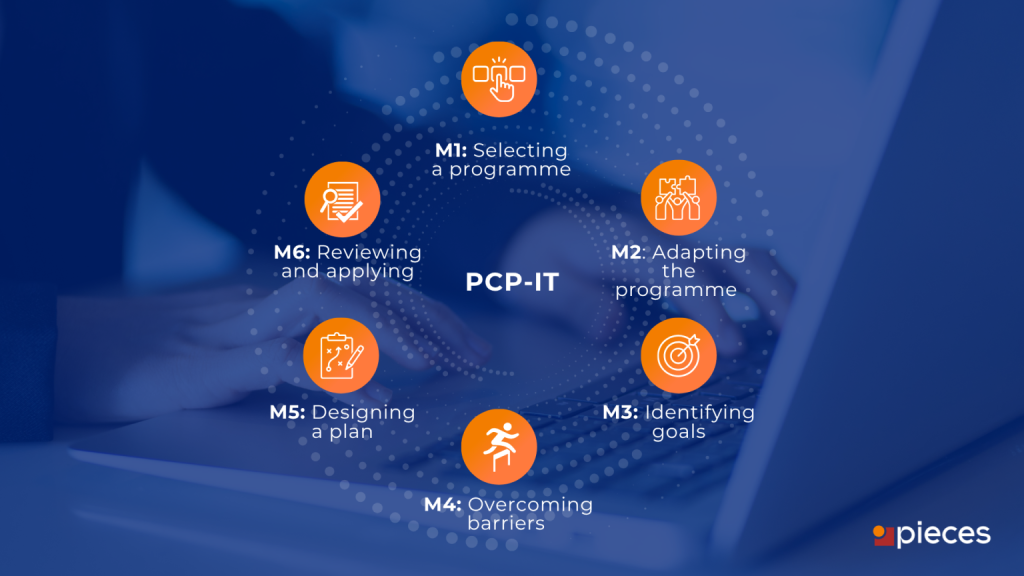
The toolkit is organised into six interconnected modules:
- Selecting a programme
- Identifying goals
- Adapting the programme
- Overcoming barriers
- Designing a plan
- Reviewing and applying
Together, these modules guide users through the full implementation process—from choosing an appropriate intervention to refining its delivery in practice.
The PIECES Repository
A key component of the PCP-IT is the PIECES Repository, a searchable database of evidence-based primary cancer prevention programmes. It brings together validated interventions across six key prevention areas:
- Tobacco control and reduction of second-hand smoke exposure
- Alcohol consumption
- Physical activity
- Diet and nutrition
- HPV infection
- UV exposure and sun protection
By using the repository, implementers can access curated resources and practical guidance to support the adaptation and delivery of cancer prevention programmes within their own settings.
From Theory to Practice
The PCP-IT is currently being tested across several European countries, with contributions from a diverse network of partners. This real-world piloting phase is crucial to ensure the toolkit is not only scientifically robust, but also practical, adaptable, and useful in everyday implementation contexts.
Through this process, the PIECES Project aims to bridge the gap between evidence and action—making effective cancer prevention more transferable, scalable, and impactful across Europe.